Hanoi City AQI: Understanding Air Quality in Vietnam’s Capital and What Travelers Should Know
Hanoi City AQI: Understanding Air Quality in Vietnam’s Capital and What Travelers Should Know

Hanoi is a city that captivates visitors with centuries-old temples, vibrant street markets, and the rhythm of everyday life unfolding around historic lakes and colonial boulevards. Yet alongside its cultural richness lies a growing concern that travelers and residents increasingly notice: Hanoi city AQI and air pollution levels.
During certain times of the year, a visible haze hangs over the skyline. Locals wear masks, morning runners rethink their routines, and travelers begin asking an important question: How bad is the air quality in Hanoi, and what does it mean for your health and travel plans?
Understanding Hanoi’s Air Quality Index (AQI) helps visitors make informed decisions about when to explore the city’s outdoor attractions and how to stay safe while enjoying Vietnam’s capital. This guide breaks down what the AQI means, why pollution happens, how it compares to other global cities, and practical steps travelers can take.
What Is the Hanoi City AQI?
The Air Quality Index (AQI) is a standardized measurement used worldwide to communicate how clean or polluted the air is. In Hanoi, AQI readings are closely monitored by environmental agencies and independent monitoring networks.
How the AQI Scale Works
AQI values typically range from 0 to 500, with higher numbers indicating worse air quality.
| AQI Range | Air Quality Level | Health Implications |
|---|---|---|
| 0–50 | Good | Air quality poses little or no risk |
| 51–100 | Moderate | Acceptable but may affect sensitive individuals |
| 101–150 | Unhealthy for Sensitive Groups | Children, elderly, and those with respiratory issues may be affected |
| 151–200 | Unhealthy | Everyone may experience health effects |
| 201–300 | Very Unhealthy | Health warnings for all populations |
| 301–500 | Hazardous | Emergency conditions |
In recent years, Hanoi city AQI levels have periodically reached “Unhealthy” or “Very Unhealthy” ranges, particularly during winter months when weather conditions trap pollutants near the ground.
Environmental monitoring platforms such as IQAir and local Vietnamese monitoring stations regularly publish these readings to inform residents.
Why Hanoi’s Air Quality Sometimes Becomes Poor
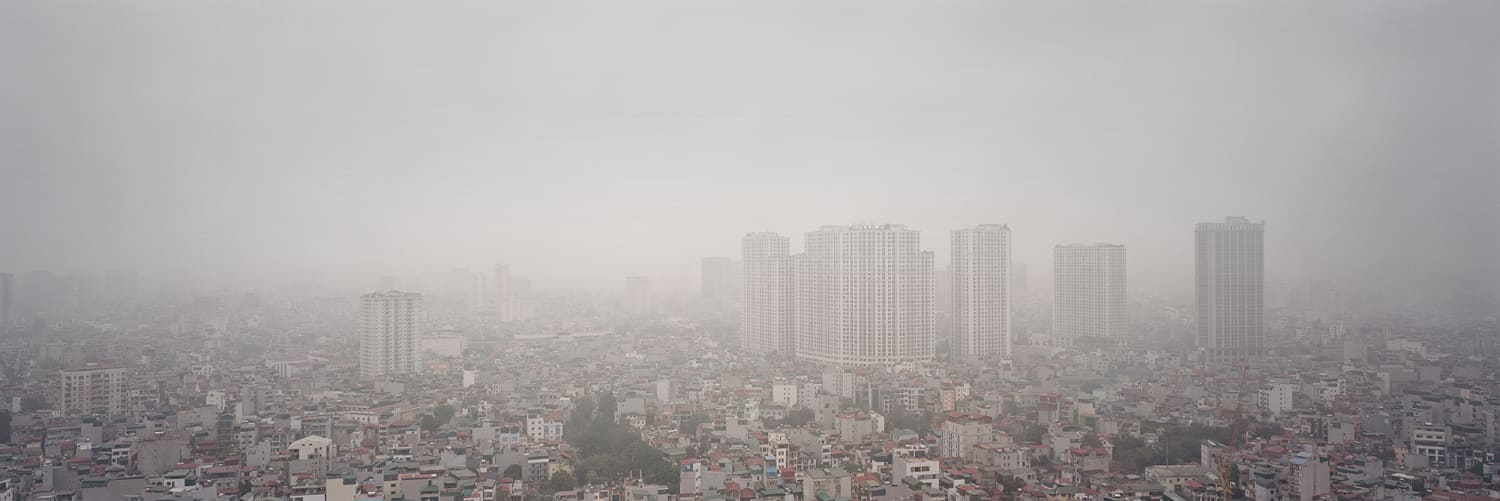
Several factors contribute to fluctuating Hanoi AQI levels. Unlike cities with a single pollution source, Hanoi’s air quality challenges come from multiple overlapping causes.
1. Rapid Urbanization
Over the past two decades, Hanoi has undergone explosive development. Construction projects, expanding infrastructure, and growing industrial zones contribute significant particulate pollution.
Fine particles known as PM2.5—tiny airborne particles smaller than 2.5 micrometers—are the main concern. These particles can penetrate deep into the lungs and bloodstream.
According to environmental studies, PM2.5 levels in Hanoi sometimes exceed World Health Organization recommendations by several times during peak pollution periods.
2. Traffic Density and Motorbikes
Hanoi’s iconic traffic is also one of its largest pollution sources.
Estimates suggest the city has millions of motorbikes and rapidly increasing car ownership, which release:
Nitrogen dioxide (NO₂)
Carbon monoxide (CO)
Particulate matter
During rush hours, narrow streets in the Old Quarter can trap exhaust emissions, causing localized spikes in the Hanoi city AQI.
3. Seasonal Weather Patterns
Weather plays a crucial role in air quality.
During winter months (November–March):
Cold air layers trap pollutants
Wind speeds drop
Humidity increases
This combination creates smog conditions, allowing pollution to accumulate over the city.
4. Agricultural Burning and Regional Pollution
Air pollution in northern Vietnam is also influenced by activities outside the city.
Regional factors include:
Crop residue burning in rural areas
Industrial emissions from surrounding provinces
Cross-border pollution from nearby countries
Air currents can carry these pollutants into Hanoi, worsening AQI readings.
What the Air Looks Like During High AQI Days
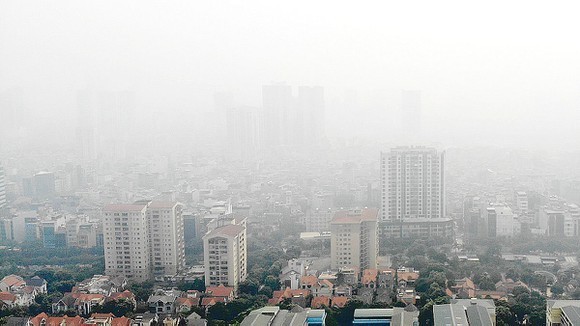
On days when Hanoi city AQI rises above 150, the effects become visible.
Common observations include:
A gray or yellow haze covering the skyline
Reduced visibility around lakes and skyscrapers
A faint smoky smell in the air
Local residents often wear anti-pollution masks, particularly during morning commutes.
Tourists may notice that famous landmarks such as Hoan Kiem Lake or West Lake appear less clear in photos on heavy smog days.
How Hanoi’s Air Quality Compares to Other Asian Cities
Understanding Hanoi’s AQI becomes easier when comparing it to other major cities in Asia.
| City | Typical AQI Range | Key Pollution Sources |
|---|---|---|
| Hanoi | 80–180 | Traffic, construction, seasonal weather |
| Bangkok | 70–160 | Vehicles, industry |
| Beijing | 90–200 | Coal burning, industry |
| Singapore | 20–70 | Regional haze events |
While Hanoi’s pollution is serious during certain months, it is not constant throughout the year. Many days fall within moderate ranges, especially during the rainy season.
Health Effects of Poor Air Quality
Air pollution can affect different people in different ways.
Short-Term Effects
When Hanoi city AQI levels rise, people may experience:
Eye irritation
Coughing or throat discomfort
Headaches
Reduced outdoor stamina
Sensitive groups such as children, elderly individuals, and those with asthma may feel these effects more strongly.
Long-Term Concerns
Prolonged exposure to high PM2.5 levels has been linked to:
Respiratory diseases
Cardiovascular issues
Increased risk of lung disease
The World Health Organization identifies air pollution as one of the largest environmental health risks worldwide.
Best Times of Year for Better Air Quality in Hanoi
Travelers often ask when Hanoi’s air quality is most pleasant.
Generally, AQI levels improve during the rainy and windy seasons.
Cleaner Air Periods
Better air quality is typically observed during:
May to September – frequent rainfall helps wash pollutants from the air
After storms or strong winds
Higher Pollution Periods
Air quality tends to worsen during:
December to February
Dry winter days with little wind
Planning travel during cleaner months can significantly improve outdoor experiences.
Practical Tips for Travelers Visiting Hanoi
Even if the Hanoi city AQI rises temporarily, there are many ways to stay comfortable while exploring the city.
1. Monitor Air Quality Daily
Before heading out, check AQI readings through apps such as:
IQAir
AirVisual
Local Vietnamese environmental monitoring services
These tools provide hourly pollution updates.
2. Wear a High-Quality Mask
Masks designed for pollution protection—such as N95 or KF94 masks—can filter fine particles.
They are widely available in Hanoi pharmacies and convenience stores.
3. Plan Outdoor Activities Strategically
Consider scheduling outdoor sightseeing:
Early afternoon when pollution sometimes disperses
After rain showers
Indoor attractions such as museums, cafes, and art galleries are great alternatives on high AQI days.
4. Choose Green Spaces
Some areas of Hanoi offer relatively fresher air due to trees and open spaces.
Examples include:
West Lake promenade
Botanical Garden
Large city parks
These locations provide brief escapes from dense urban traffic.
Related Articles for Vietnam Travelers
If you’re exploring Vietnam beyond Hanoi, these resources provide deeper travel inspiration:
Discover northern Vietnam’s hidden nature at Nghieu Son Linh Mountain: https://vietnamtravelers.com/nghieu-son-linh-mountain-in-cao-bang/
Explore Hanoi’s neighborhoods and travel planning tips: https://www.patreon.com/posts/hanoi-city-area-152837042
These guides help travelers understand Vietnam’s landscapes, culture, and best destinations.
Expert Insight on Hanoi’s Air Quality
Environmental researchers emphasize that awareness is key.
As one environmental health expert explained:
“Urban air pollution is a complex issue tied to transportation, energy, and urban planning. Cities like Hanoi are actively exploring long-term solutions such as greener transport and improved monitoring.”
Local initiatives aimed at reducing pollution include:
Expanding public transportation
Promoting electric vehicles
Increasing urban green spaces
These efforts aim to gradually improve the Hanoi city AQI in the coming decades.
Conclusion: What Travelers Should Remember About Hanoi City AQI
Hanoi remains one of Southeast Asia’s most fascinating capitals, blending ancient culture with fast-paced modernization. While air quality challenges exist, they are manageable with awareness and simple precautions.
Key takeaways:
The Hanoi city AQI measures air pollution levels and ranges from good to hazardous
Winter months often experience the highest pollution levels
Traffic, construction, and seasonal weather patterns are major contributors
Travelers can minimize exposure by checking daily AQI readings, wearing masks, and planning activities wisely
By staying informed, visitors can still enjoy Hanoi’s historic streets, incredible cuisine, and vibrant culture while protecting their health.
Plan Your Vietnam Journey with Confidence
Understanding air quality is just one step toward smarter travel.
If you’re planning a trip to Hanoi or exploring northern Vietnam, take time to research destinations, seasonal conditions, and hidden natural wonders.
Start with the recommended guides above and build a travel itinerary that lets you experience Vietnam’s beauty, culture, and landscapes—beyond the haze. ✈️🌏


Nhận xét
Đăng nhận xét